

Skip to content Skip to sidebar Skip to footer
Carnot engine test data, presented at the SAEWCX event!

Carnot’s first published test data presented at SAE WCX™ 2026!

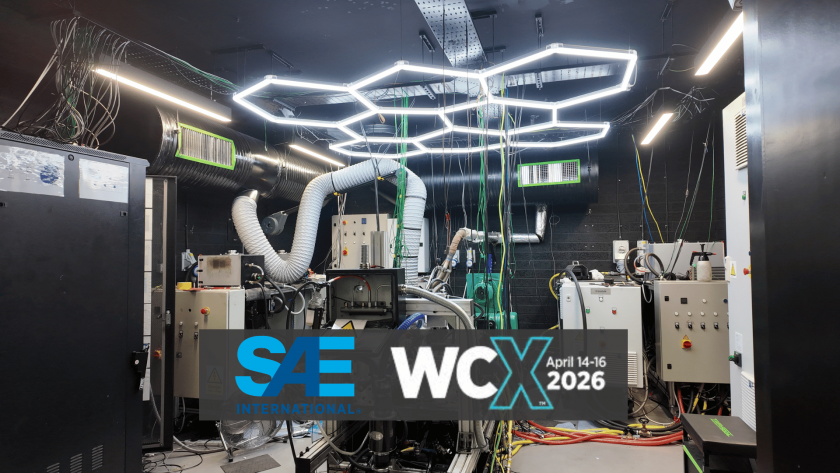
Carnot’s first published test data presented at SAE WCX™ 2026! This week, Carnot achieves a major milestone by having our first engine test data published at the SAE WCX event in Detroit. SAE International is a the global authority for engineering knowledge and the WCX (World Congress Experience) being one of the industry’s flagship events,…
Read More

Petredec Investment & Partnership with Carnot

Today, we are pleased to announce a strategic partnership with Petredec - a global leader in the Liquefied Petroleum Gas (LPG) industry. This partnership will accelerate the deployment of Carnot's next-generation engines, using LPG fuels, across the transport, maritime and power generation sectors.  Philip Harwood, Petredec Fleet Director and new Carnot Board Member visits the…

Read More

Carnot’s first published test data presented at SAE WCX™ 2026!

This week, Carnot achieves a major milestone by having our first engine test data published at the SAE WCX event in Detroit. SAE International is a the global authority for engineering knowledge and the WCX (World Congress Experience) being one of the industry’s flagship events, where leading engineers, researchers, and companies present new technologies, data, and insights shaping the future of mobility.

Carnot engine

This work represents a close collaboration with our partners at Brunel University London, where testing was carried out using a Hydrogen Carnot Engine at their facilities. For us, this is an important step — moving from concept and development into independently generated, peer-reviewed data on real engine performance.

This project focused on optimising the high efficiency Carnot Engine technology, using hydrogen fuels. The two key technical innovations for the Carnot Engine is firstly, operating at twice the efficiency of a conventional engine and second, operating on any fuel. 

This program achieved both of these core objectives, with engine efficiencies of 58.7% recorded, which compares to around 30% for a traditional engine. By delivering huge fuel savings, a Carnot Engine provides huge cost savings to customers and thus makes hydrogen fuels more economically viable. 

These results successfully laid the foundations for what Carnot can achieve, but this is only the beginning. The performance achieved in this SAE Publication have already been exceeded as Carnot continues to drive forward in what is possible with this technology. 

“We’re incredibly proud to see the first published data from a Carnot engine. This is a significant moment for the team and a testament to the strength of our partnership with Brunel University. It’s just the beginning of what we believe this technology can deliver.”

Nadiur Rahman, Co-Founder & COO

One of the lead engineers on the program was Mohammad, who has a PhD in Hydrogen Engine research and Test Engineer at Carnot:

“Hydrogen fuels possess incredible promise within conventional ICE platforms. However, with the OP engine and its extraordinary properties, we can truly unleash the full potential of hydrogen fuel.”

“The OP engine showcases a remarkable scavenging system and achieves near-zero heat losses. This exceptional combination, along with its versatility in utilising multiple fuels and combustion configurations, transcends the limits of conventional internal combustion engines.”

Mohammad, Lead Engineer