




Carnot leading a £1.5m Energy Catalyst grant converting rice straw biomass into energy
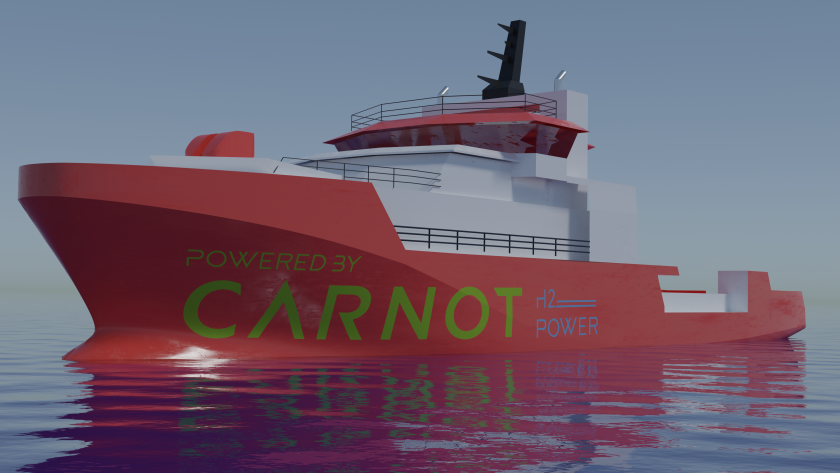
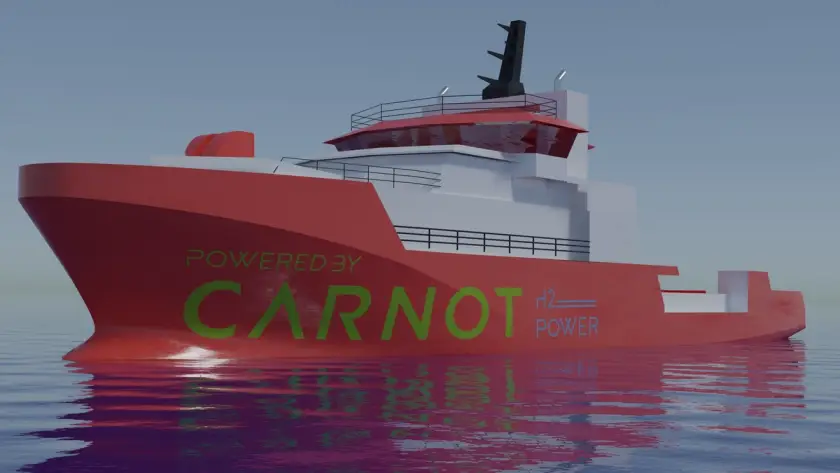
Carnot is leading a consortium to decarbonise Auxiliary Power in marine applications
We are delighted to announce Carnot is leading a consortium which has won a £500,000 Clean Maritime Demonstrator Competition 2 Grant to develop a Hydrogen/Ammonia fuelled, Auxiliary power unit for the maritime industry. Following the successes from our first CDMC grant, the…
We are very excited to finally share with you our upcoming Seed round! We are raising £2 million to accelerate the next phase in developing the world's most efficient, zero emission, fuel agnostic engine to decarbonise industry, power & transport.
Exciting developments!
We are launching a Seed round now to maximise the impact of two…
In his recent book, ‘How to avoid a climate disaster’, Bill Gates focuses on electricity as the first major priority to consider in his manifesto for how to tackle the climate emergency. The reliable and low-cost supply of electricity has countless benefits across the economic and social spectrum. Gates also highlights that of the 860…
Carnot has decided to launch their first ever crowdfunding round, with Crowdcube to generate investment and help Carnot build on their amazing achievements so far.
What is crowdfunding?
Crowdfunding is a way for business to raise funds by asking a large number of people (the crowd) for relatively small amounts of money in exchange for shares…
Carnot is delighted to announce we have been selected for The Net Zero Technology Centre Tech X Accelerator programme. From an original 150 applicants, Carnot are one of 10 awardees to participate in the programme supported by BP, Equinor, and KPGM.
The OGTC was Established in October 2016 with £180 million from the Aberdeen City Region Deal, and originally was the…

Carnot are pleased to announce our successful placement onto the Oxford University Innovation Incubator. The incubator is a subsidiary of the coveted Oxford University and manages the technology transfer and consulting services.
The program provides support from launching an idea to scale up and implementation whilst enabling early stage startups to seek the consultancy and expertise…
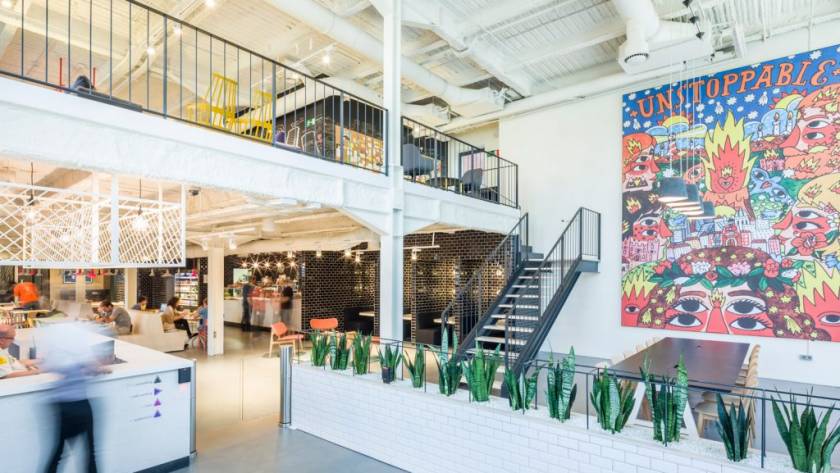
Carnot are pleased to announce our acceptance into the Google for Startups Campus. Campus Cafe is a great place to get things done, take a break, or collaborate with like-minded people. The program offers early-stage startups access to Google’s best practices and flexible workspace alongside fellow founders. From programming and events to mentoring sessions with Google…

Meet the co-founders at CARNOT
Carnot is pioneering the technology of choice for the future of hydrogen power to tackle the billion dollar challenge of decarbonising industry, transport & power.

Carnot have partnered with Oz Minerals to develop zero emission off-grid power. One of the key sources of emissions for Oz Minerals is the diesel generators that are needed to provide remote power at the mines. Oz Minerals are exploring hydrogen as a potential solution to avoid those emissions and selected Carnot as their partner…